

Progressive activists and some members of Congress are calling for new leadership among Senate Democrats, though most believe Sen. Chuck Schumer’s job is safe.
Democrats are reeling from an intense internal clash following the end of the longest government shutdown in U.S. history—an agreement that has reopened the government but fractured the party along ideological and generational lines. The shutdown ended after eight Senate Democrats joined Republicans to advance a bipartisan spending deal, but the exclusion of an extension for Affordable Care Act (ACA) subsidies—Democrats’ core demand—has ignited widespread outrage among progressives and House members who view the compromise as a capitulation.
The discord erupted Monday during a private House Democratic conference call, where frustration boiled over at both the Senate and party leadership. More than a dozen House Democrats blasted the deal, with Rep. Melanie Stansbury (D-N.M.) describing her constituents as furious that Democrats “caved.” Progressive lawmakers accused Senate moderates of abandoning working families just as polls showed Republicans bearing the political blame for the shutdown.
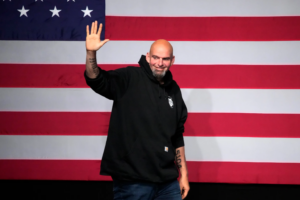
The deal’s backers—Sens. Jeanne Shaheen, Maggie Hassan, Catherine Cortez Masto, Jacky Rosen, Dick Durbin, John Fetterman, Tim Kaine, and independent Angus King—defended their decision, arguing the shutdown had dragged on too long and hurt federal workers and military personnel. Fetterman called the standoff “a failure” and said reopening the government was a moral necessity. But his explanation did little to calm progressives, who say the moderates surrendered leverage for nothing more than a “promise” of a future vote on health care subsidies.
Within hours, the internal finger-pointing turned toward Senate Minority Leader Chuck Schumer (D-N.Y.). Many House Democrats accused Schumer of either losing control of his caucus or quietly endorsing the compromise. Rep. Ro Khanna (D-Calif.) went so far as to call for Schumer’s resignation, saying he had “failed to defend affordable health care.” California Gov. Gavin Newsom labeled the Senate deal “pathetic,” while Sen. Bernie Sanders (I-Vt.) warned it would lead to higher premiums and Medicaid cuts.
On the House call, Minority Leader Hakeem Jeffries (D-N.Y.) tried to contain the revolt, urging Democrats to direct their anger at Republicans rather than fellow lawmakers. Jeffries opposed the deal himself but counseled patience, floating the idea of using a discharge petition to force a standalone vote on ACA subsidies. Progressive leaders Reps. Pramila Jayapal (D-Wash.) and Rosa DeLauro (D-Conn.) praised Jeffries’ handling of the crisis, even as the caucus overwhelmingly decided to oppose the Senate agreement when it reaches the House floor.
The rupture highlights deep strategic divisions within the party. Progressives want to wield shutdowns and procedural fights to force concessions on health care, labor, and climate policy, while moderates reject those tactics as politically reckless. Many of the Senate Democrats who voted with Republicans—such as Cortez Masto, Kaine, and King—do not face reelection soon, giving them room to prioritize bipartisanship over confrontation.
Meanwhile, Schumer faces mounting pressure from both ends of the party. Progressive activists and several Democratic Senate candidates, including Michigan’s Mallory McMorrow, have revived calls for new leadership. Yet inside the Senate, Schumer remains secure; allies like Durbin and Sen. Peter Welch defended his performance, noting Democrats’ limited power in a chamber where Republicans hold the majority. “It’s an impossible job,” Welch said. “He did it well.”
Still, the fallout has underscored a growing rift over how Democrats should confront Donald Trump and an emboldened GOP. While Schumer and Jeffries publicly emphasize unity, the shutdown has exposed raw tensions between moderates seeking compromise and progressives demanding confrontation. The next major test comes in December, when Senate Republicans are expected to hold a vote—promised but not guaranteed—on extending ACA tax credits before they expire.
For now, Democrats have reopened the government but fractured their coalition in the process. What was once seen as a display of resolve against Republican obstruction has instead devolved into an internal reckoning—one that could shape the party’s direction, leadership, and strategy heading into the 2026 midterm elections.