
With control of both the General Assembly and the Governor’s Office, democrats have already outlined a series of controversial measures they intend to implement.
Gov. Josh Shapiro won a second term Tuesday as Democrats took both chambers of the General Assembly, giving one party control of the Pennsylvania government for the first time in more than 30 years.
Democrats flipped four Republican-held Senate seats and lost one of their own, creating a 26-24 majority in a chamber Republicans had led since 1994. Democrats also added to their House majority, increasing their lead by at least eight House seats and bringing their total to at least 111 of 203; four races were still uncalled as of Wednesday afternoon.
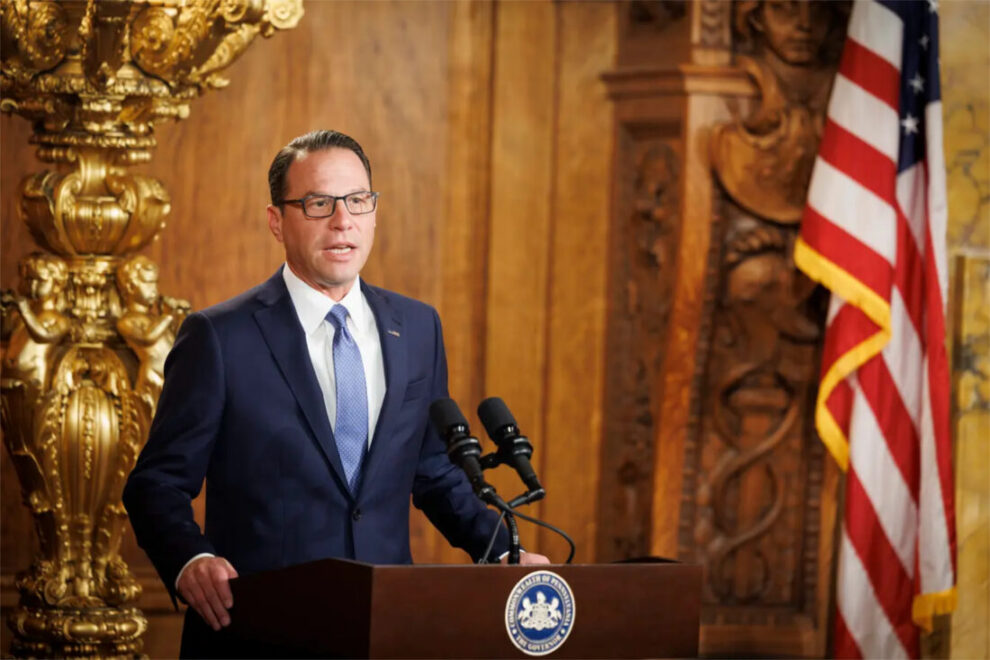
Speaking at the Governor’s Residence on Wednesday, Shapiro said he and democrat legislators would release a 100-day agenda in the coming weeks. He indicated that the party’s marching orders would range from raising the minimum wage, a move that critics have warned would bankrupt many small businesses, to codifying a right to abortion, which would be hotly protested by human rights activists and religious groups.
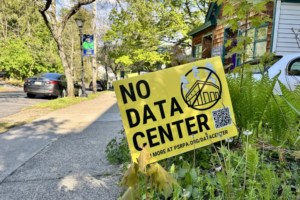
Party leaders indicated the minimum wage bill would come first. The current wage is $7.25 an hour, which is on par with the federal minimum. Lawmakers also named policies like mandated paid family leave, the legalization of recreational marijuana, and changes to data center rules among other goals.
Senate Democratic Leader Jay Costa said House Democrats have passed more than 200 bills that stalled in the Republican-led Senate, including minimum wage and transit measures. He said the caucus would prioritize pushing them through next session. While Shapiro claimed that he wants Republicans involved in the legislative process, he added that, if they refuse, his party now holds enough votes to pass legislation anyway.
Republican House Minority Leader Jesse Topper spoke out after the election, saying the results reflected dissatisfaction with the national direction, not support for a “far-left, collectivist wish list.” He said his caucus would oppose that agenda. State Republican Party Chair Sen. Greg Rothman called the results disappointing and said the party would analyze them and regroup.
Under divided government, the Republican-led Senate blocked several Democratic priorities. They included a House-passed constitutional amendment on abortion and bills on transit funding and recreational marijuana. Several Republican priorities also stalled, including cutting utility taxes and protecting girls’ sports.
Democrats’ narrow margins leave little room for defections. Democrat Sen. Lisa Boscola, a self-described moderate, said she could support a $15 minimum wage but not $20; she also said she would back data center guardrails but not a moratorium.
The full Senate could vote on a president pro tempore as early as this month. Shapiro and other Democratic leaders referred to Costa by that title Wednesday. New members will be sworn in on Jan. 5.