

The city will no longer set specific mandatory goals for awarding contracts specifically to businesses that are only owned by women and minorities.
National backlash against DEI programs is growing, and Philadelphia is making adjustments to reduce its affirmative-action style programs.
For several decades, Philadelphia set specific goals for awarding a portion of yearly government contracts to businesses that are owned by women and people of color.
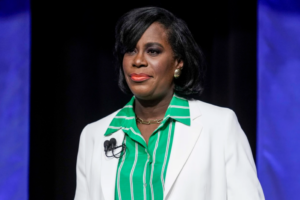
Mayor Cherelle L. Parker’s administration has decided to no longer pursue the goal of awarding 35% of all contracts to “minority, women, or disabled-owned enterprises.” Philadelphia has had that goal in place since 2016, until now. In the 1980s, the goal was set at 25%.
The city also ended the practice of setting benchmarks for the amount of dollars that should go to subcontractors and suppliers owned by people of color, women, and people who are disabled.
The changes come as the U.S. is experiencing a national shift away from affirmative-action style programs and DEI efforts.
Solicitor Renee Garcia, the city’s top lawyer, said the changes have been made in response to new federal legal precedent that prohibits the setting of contracting goals based on race and gender. She said the city must ensure public funds “are not used to promote, reinforce or perpetuate discrimination.”
Garcia said the city will instead provide incentives to businesses that are considered “small and local”.
“The goal of the revised program is to create an environment in which all businesses can thrive and contribute to the local economy,” she said.
President Donald Trump’s administration has pushed back against DEI programs, threatening to withhold federal funding from jurisdictions that employ the use of such programs.
St. Louis, San Antonio, and Portland have also taken steps to reduce diversity goals in contracting.
Since taking office as the city’s first Black female mayor, Parker has prioritized such programs and created an office dedicated to minority business success. She has avoided confrontation with President Trump, as the city receives significant federal funding that it depends on annually.
In prioritizing “small and local” businesses, the city is aiming to preserve efforts to increase diverse business contracting while reducing overt efforts to increase DEI.