
“I don’t agree with everything in this budget—that’s part of a divided government,” explained House Republican Leader Jesse Topper.
Pennsylvania’s long-overdue $50.1 billion state budget has finally passed, unlocking millions for Philadelphia schools and addressing a court-mandated funding fix. But the deal leaves out several key priorities for the city, including public transit funding and relief for taxpayers stuck footing the bill for government inaction.
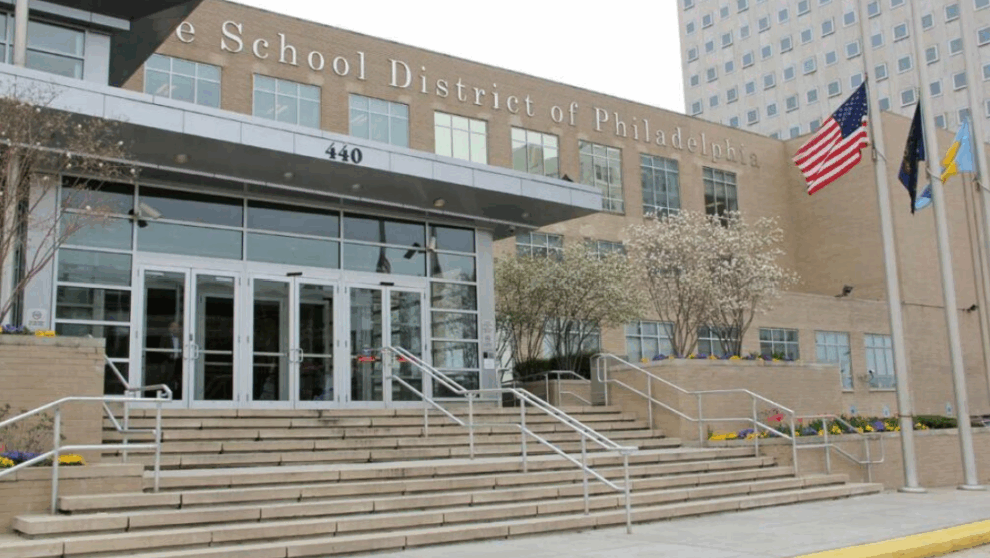
Gov. Josh Shapiro signed the budget last Wednesday, ending a 134-day impasse that forced Philadelphia’s public school district to borrow more than half a billion dollars to stay open, and accumulating at least $30 million in interest. State lawmakers have proposed a bill to reimburse those borrowing costs, but as of now, Philadelphia taxpayers are left holding the tab.
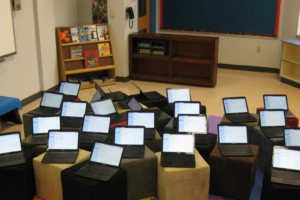
The Philadelphia School District will see a $193 million increase in basic education funding—part of a broader $565 million package aimed at underfunded districts statewide. The new funding follows a 2023 Commonwealth Court ruling declaring Pennsylvania’s previous school finance system unconstitutional.
While school officials welcomed the funding, some warned it’s not enough to undo the damage of the delay. Philadelphia Federation of Teachers President Arthur Steinberg noted his disappointment that the interest on borrowed funds wasn’t instead used to pay for hundreds of additional teachers or support staff.
The budget also mandates that all districts adopt “evidence-based” reading curricula by 2027–28 and requires increased intervention for struggling readers. In addition, it includes $25 million for early childhood teacher bonuses, $30 million in student-teacher stipends, and a $50 cap on teacher certification fees.
Still, some education advocates argue the plan doesn’t go far enough. Deborah Gordon Klehr, executive director of the Education Law Center-PA, called the deal “another step forward,” but warned sustained investment is needed to fully meet the court’s mandate for fair and adequate education.
One of the most notable omissions in the budget is new funding for public transportation. SEPTA, which faces a $213 million deficit, received no additional support despite repeated requests from local leaders. CEO Scott Sauer called the outcome “disappointing,” saying the agency now must continue dipping into capital reserves meant for infrastructure projects.
SEPTA has already postponed critical upgrades and temporarily restored cut service following emergency approval from PennDOT. A separate state Senate proposal would require more oversight of SEPTA’s finances and service reliability but does not include new funding.
“SEPTA is essential to the economic vitality of our region and Commonwealth, and without sufficient support, we are at risk of falling behind competitively,” Sauer said. “Just last week, voters across the country approved 13 ballot measures that will deliver over $11 billion for public transit improvements, expansions, operations and infrastructure.”
Despite calls from Democrats to generate new revenue through recreational marijuana legalization or skill game regulation, the final budget includes neither. The state’s minimum wage remains unchanged at $7.25 an hour. Republicans blocked those proposals but agreed to a new “Working Pennsylvanians” tax credit worth up to 10% of the federal Earned Income Tax Credit. Supporters say it will benefit nearly a million low- and moderate-income households.
“I don’t agree with everything in this budget—that’s part of a divided government,” summarized House Republican Leader Jesse Topper.