

The mayor plans to reduce her hotel tax plan and institute a 6% hike on Airbnb rentals. She also proposed a fee on rideshares.
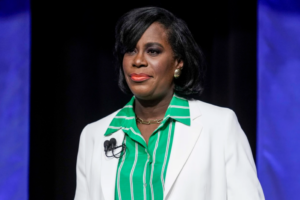
Mayor Cherelle L. Parker announced a plan on Wednesday that would hike taxes on short-term rentals by 6% to fund homelessness initiatives in the City of Philadelphia.
The new proposal amends the mayor’s earlier plan to increase Philadelphia’s hotel tax by 2%. That tax would have also applied to short-term rentals such as Airbnb.
Under the amended plan, however, the tax on hotels would increase from 15.5% to 16.1%. Taxes on short-term rentals would increase from 15.5% to 21.5%.
The proposal needs to be approved by both City Council and the General Assembly in Harrisburg. The tax increase would sunset in five years.
Parker’s proposal estimates that the tax hikes would bring in an about $15 million in annual revenue to the city. The initial plan predicted a revenue of $20 million per year from the initial 2% hotel tax increase proposal.
The plan is for the additional funds to go towards new homeless shelter slots in Philadelphia, as well as drug recovery and behavioral health programs.
Airbnb immediately came out against the plan, urging Council members to reject it. The company referred to the plan as a “hotel handout” that would fall “on the backs of struggling Philadelphia homeowners who share their homes to help pay their bills.”
“This tax is nothing more than an attack on everyday homeowners disguised as policy – all while leaving critical tax revenue on the table by not taxing big hotels at the same rate,” said Michael Blaustein, Northeast Policy Manager for Airbnb.
City Council members will take an initial vote on a city revenue and spending plan next week to start the process for its approval by the start of the fiscal year on July 1.
Parker’s plan also targets the rideshare industry. She plans to institute a $1-per-ride fee on rideshare services like Uber and Lyft to bring in an estimated $48 million in annual revenue. The funds will be used to help the School District of Philadelphia avoid staff cuts as it faces a large budget deficit.
Uber launched a six-figure ad campaign urging Council members to vote against the proposal. The ads show a woman saying she relies on Uber “for work, appointments, and daily needs, and higher costs would make that harder.”
A spokesperson for Uber said in a statement that the new fee on rides “would make transportation less affordable at a time when Philadelphians are already struggling with the rising cost of living.”
The tax hike on short-term rentals and the fee on rideshares has the City Council somewhat skeptical. Both aspects of the mayor’s plan could cause problems as it faces consideration before the start of the fiscal year.
Mayor Parker thanked the hotel industry and lawmakers for “continuing to work together toward a balanced proposal that supports both our hospitality sector and our goal of helping more Philadelphians gain access to safety, stability, and support with dignity.”